
Visibility, voice, and vision: Reflections on performance and animal advocacy
A look back at 2025, and a look ahead to what’s stirring in 2026

Hi friends,
As the year winds down, I’ve found myself dwelling on the question:
Why isn’t animal freedom seen as a legitimate freedom struggle?
This comes from a recent piece by Project Phoenix, one that deserves to be read slowly and taken seriously. It explores something many of us in the movement feel but often struggle to name; the way animal rights, despite being rooted in resistance, remains culturally sidelined. It asks what happens when our work is constantly framed as fringe, unserious, or emotionally excessive.
What struck me most, reading it through a performance lens, is that legitimacy is not just earned or argued: it’s staged.
We rehearse legitimacy in the way we protest, perform, publish, and participate. When we stand in silence outside a slaughterhouse, when we sing in harmony for nonhuman liberation, when we create space for animal voices in our work, we are not just communicating. We are constructing presence where absence has been the norm.
These are not just tactics. They are rituals of visibility. They challenge who is seen, who is centred, and who is remembered.
So with that in mind, here’s a look back at some of the creative and performative highlights that made 2025 feel alive, and a glimpse ahead at what 2026 might bring.
2025 at a glance: Three moments that stayed with me
De-Domestication – Soya the Cow & Uhura Bqueer
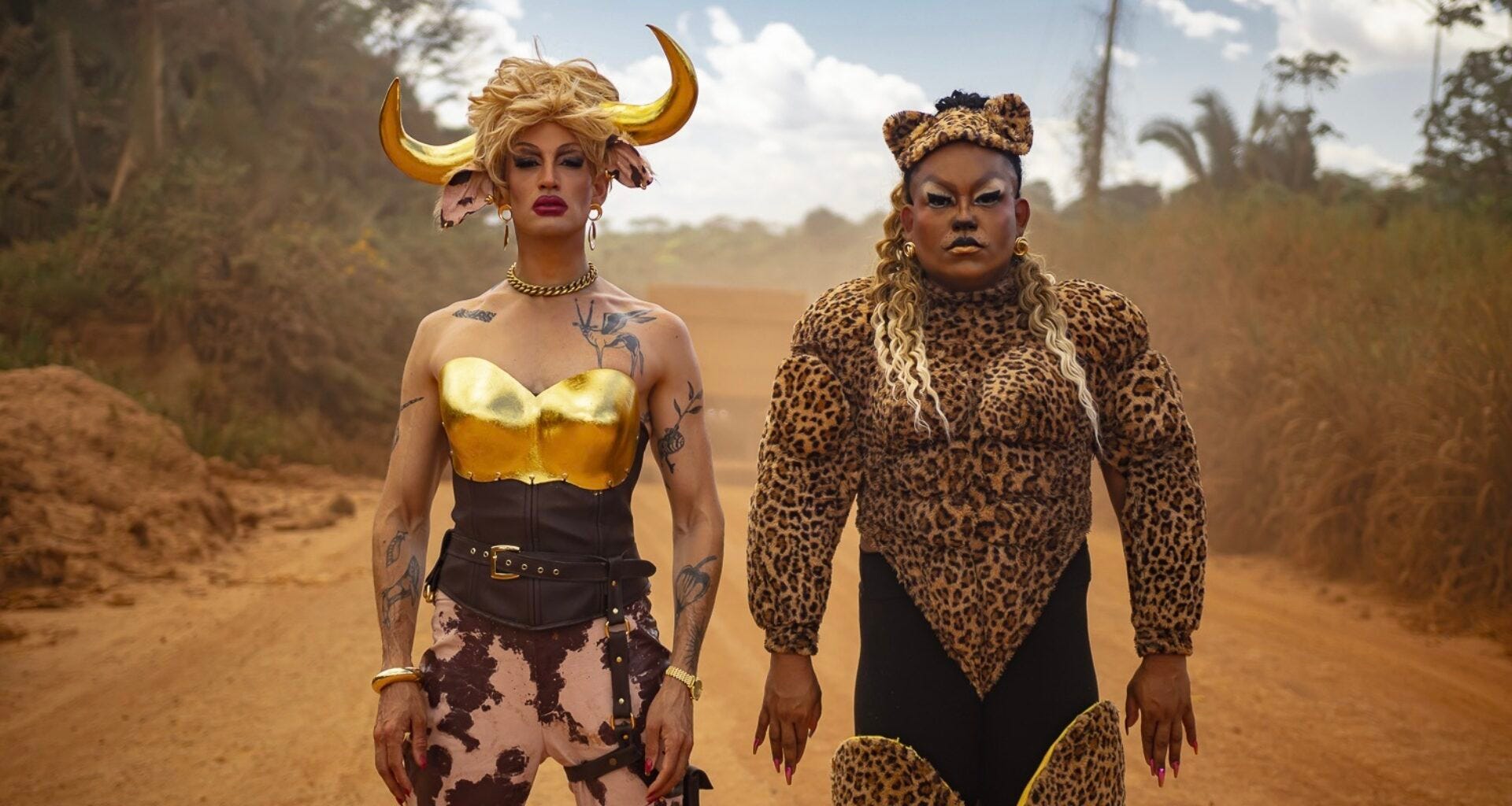
This poetic, defiant collaboration travelled from the Swiss Alps to the Brazilian Amazon, exposing the legacy of colonisation and the violence of the meat and dairy industries. Through drag, ritual, and site-specific performance, De-Domestication asked audiences to confront what it means to break the contract of domestication, and what is lost, culturally, cosmologically, when animals become property.
It was a work of resistance, but also of reimagining: speculative, embodied, and sensorially rich.
Animal Rights Choir
Founded by Jen Armstrong (Vegan Queen V) and Sue Joyce, this community choir has brought a new kind of presence to animal rights spaces, one based on joy, harmony, and emotional grounding. Whether singing online or performing at festivals, the Animal Rights Choir reminded us that sound can soften, that protest can be melodic, and that sometimes the most radical thing we can do is sing together.
I sat down with Jen and Sue this month to talk about the choir, keep an ear out for the next podcast interview coming out in the next few weeks.
Paddington: The Musical
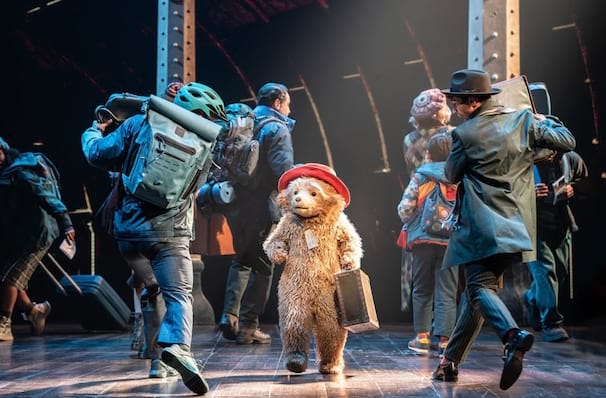
An odd inclusion maybe, but hear me out. Paddington has always stood in for the “other,” the displaced, the not-quite-belonging. In this big-budget adaptation, the bear becomes an avatar of immigrant narratives, but also something more quietly political: an animal made palatable through politeness, performance, and fur.
There’s a strange speciesism underneath the charm. Paddington is protected not because he’s a bear, but because he performs civility. He wears a coat. He behaves. He assimilates.
It’s an interesting case study in selective empathy, and a reminder of how animals are always being asked to audition for our care.
Looking ahead to 2026: Culture at the centre
Animal Think Tank moves into cultural organising
After years of building grassroots power, ATT is turning more deliberately toward creativity, storytelling, and cultural strategy. A recent internal workshop kicked off this shift, and more is on the way. It’s a timely move, because political change needs more than facts. It needs mythologies, music, movement.
This shift marks a growing recognition that campaigns without culture become noise, and that artists, educators, and performers have a vital role to play in how the public imagines freedom for all beings.
Industry Standard – Sonic resistance through vinyl
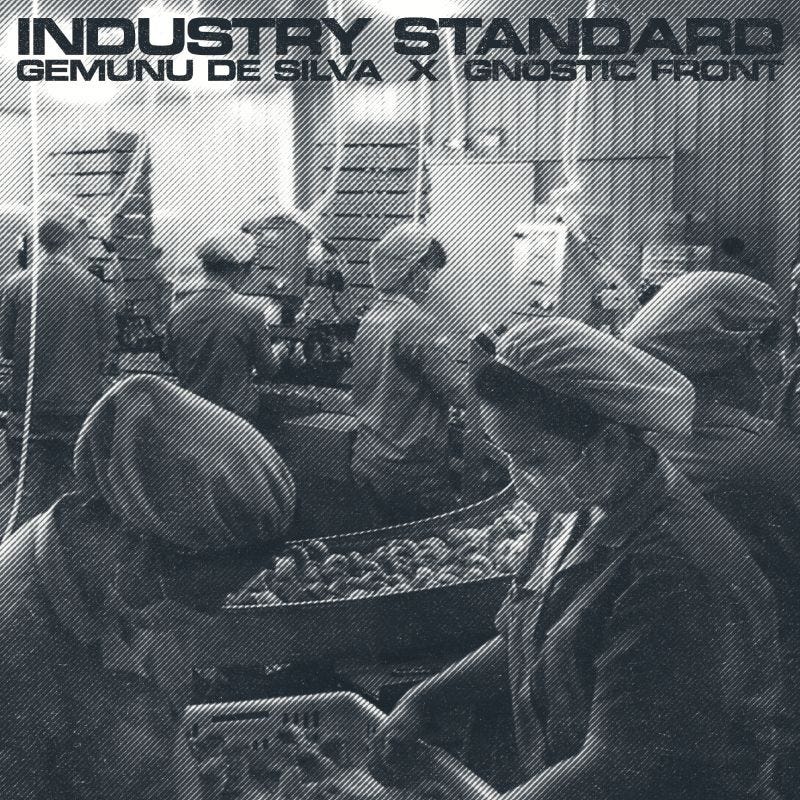
One of the most gripping creative releases on the horizon is Industry Standard, a vinyl album built from undercover recordings inside animal agriculture. The project is a collaboration between investigator Gemunu de Silva and Gnostic Front, blending sonic art and activism.
This is a non-visual form of witness; turning the machinery, cries, and silence of animal industries into a sonic experience. It doesn’t just expose; it immerses. And it opens the door to new activist aesthetics rooted in sound, not spectacle.
Activist Arts Festival at The Garlinge Theatre
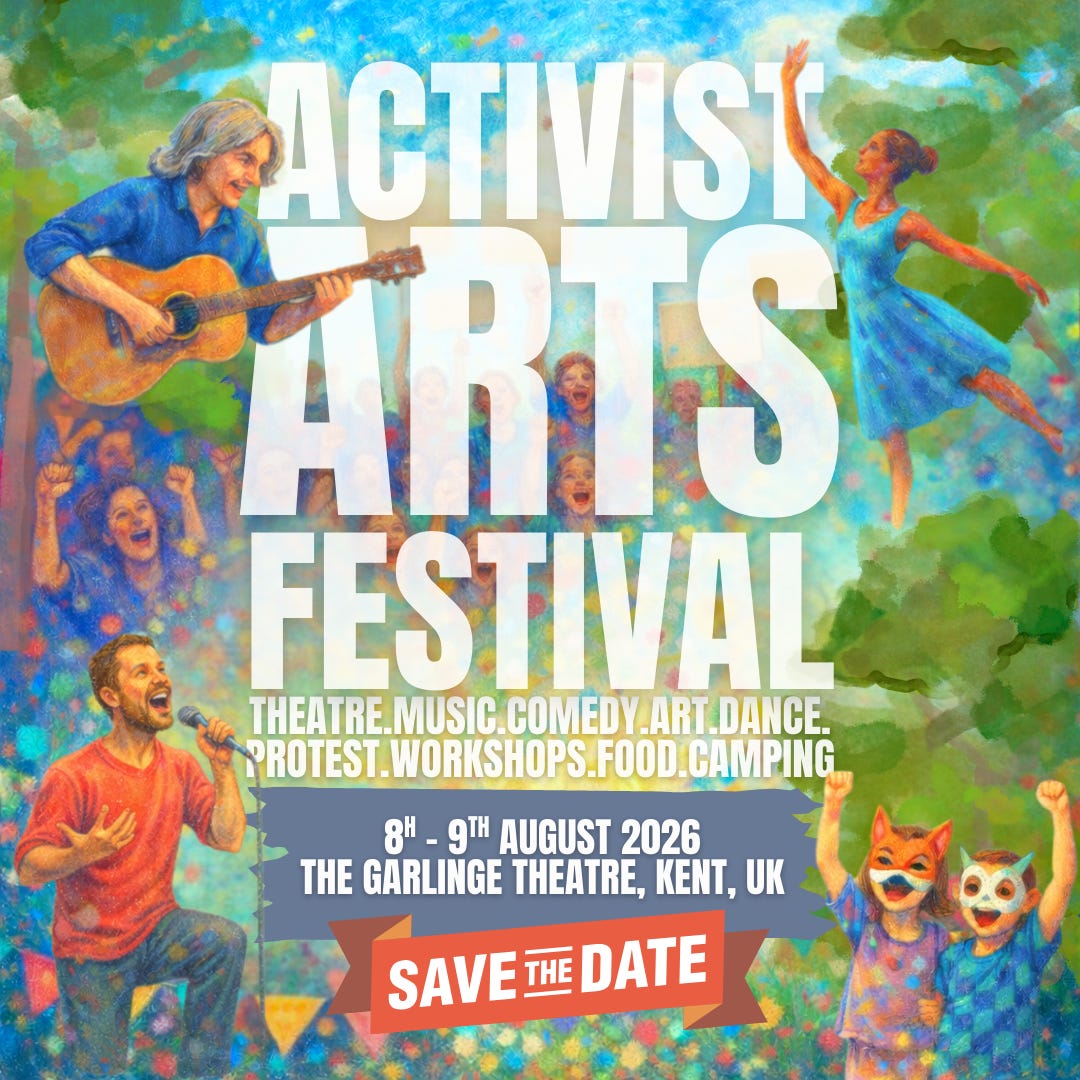
Finally, I’m thrilled to be co-facilitating with The Garling Theatre a new summer festival focused on activism, arts, and interspecies imagination. Set in the beautiful vegan theatre in the Canterbury countryside in August 2026, this event will bring together performers, campaigners, musicians, writers, dancers, and dreamers to explore what art can do for the movement, and what the movement might look like when fuelled by art.
There will be workshops, food, performance, and space for rest and recalibration. More details to come soon, I hope to see you there.
Final thoughts
If there’s one thread running through all of this, from undercover vinyls to public choirs, it’s the idea that performance makes space. It makes space for animals to be seen and heard. It makes space for us to reflect, respond, and reposition ourselves in relation to the world around us.
As we move into 2026, I’m interested in continuing to explore how performance can do this ethically, imaginatively, and without flattening complexity.
I’d love to hear what your highlights were this year, and what you are looking forward to this coming year.
Thanks, as always, for reading.
Ben